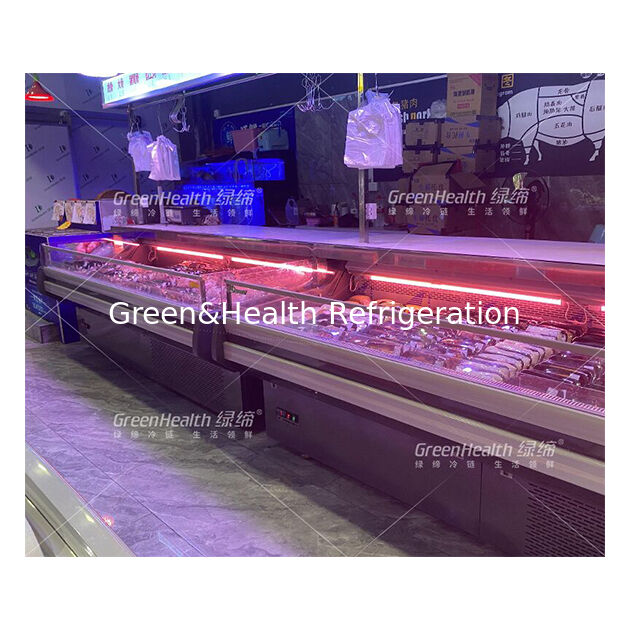
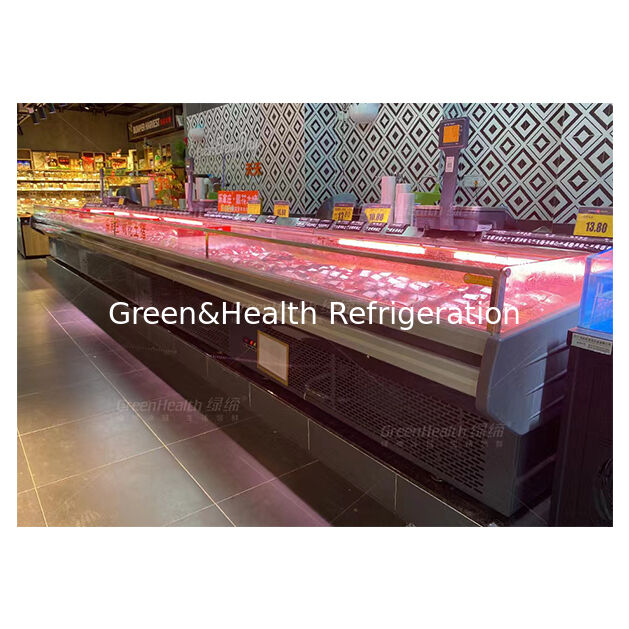
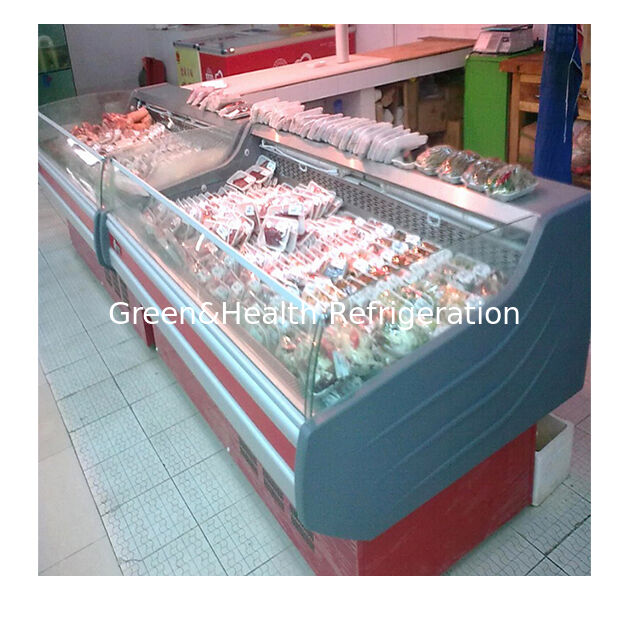
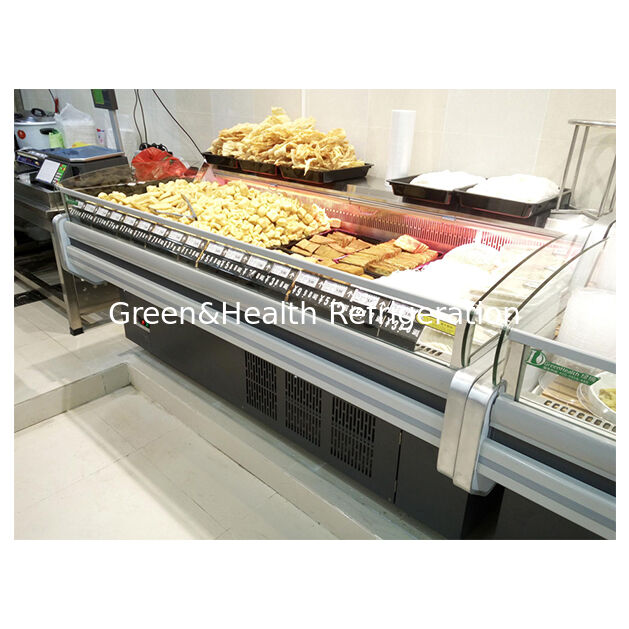
1. Fresh meat commercial display refrigerators deliver accurate temperature regulation, generally maintained between 0 and 4 degrees Celsius, safeguarding food safety, inhibiting bacterial growth, and retaining texture, color, and nutritional integrity.
2. Sophisticated airflow engineering ensures even cooling throughout the entire cabinet, eliminating hot spots or overcooling areas and guaranteeing consistent storage conditions for all displayed meat products.
3. High-clarity glass doors or open-front configurations improve product visibility, enabling customers to easily assess freshness and quality, which encourages impulse buying and enhances overall merchandising performance.
4. Durable refrigeration systems are designed for nonstop operation in busy retail settings, providing dependable performance despite frequent door usage and fluctuating ambient temperatures.
5. Energy-saving components, including high-efficiency compressors, LED illumination, and smart defrost mechanisms, lower energy consumption while preserving stable operation, supporting reduced operating expenses and sustainability goals.
6. Adjustable shelving systems and modular interior designs support a wide range of meat cuts, packaging formats, and display requirements, allowing retailers to easily adapt to changing product selections.
7. Stainless steel interiors and food-safe materials enhance sanitation, resist rust and corrosion, and facilitate easy cleaning, assisting operators in meeting stringent food safety standards and maintaining a professional appearance.
8. Built-in humidity management minimizes excessive moisture loss or surface condensation on meat products, helping maintain weight, visual appeal, and shelf life during prolonged display periods.
9. Quiet operation and effective vibration reduction create a more comfortable shopping environment, reducing disruption for both customers and staff while ensuring stable refrigeration performance.
10. Contemporary fresh meat display cabinets frequently incorporate intelligent monitoring capabilities, such as digital temperature indicators and alarm functions, supporting proactive maintenance, minimizing spoilage risk, and improving overall operational control


 Your message must be between 20-3,000 characters!
 english
 français
 Deutsch
 Italiano
 Русский
 Español
 português
 Nederlandse
 ελληνικά
 日本語
日本語
 한국
한국
 中文
中文
 العربية
 हिन्दी
 Türkçe
 indonesia
 tiếng Việt
 ไทย
ไทย
 বাংলা
বাংলা
 فارسی
فارسی
 polski